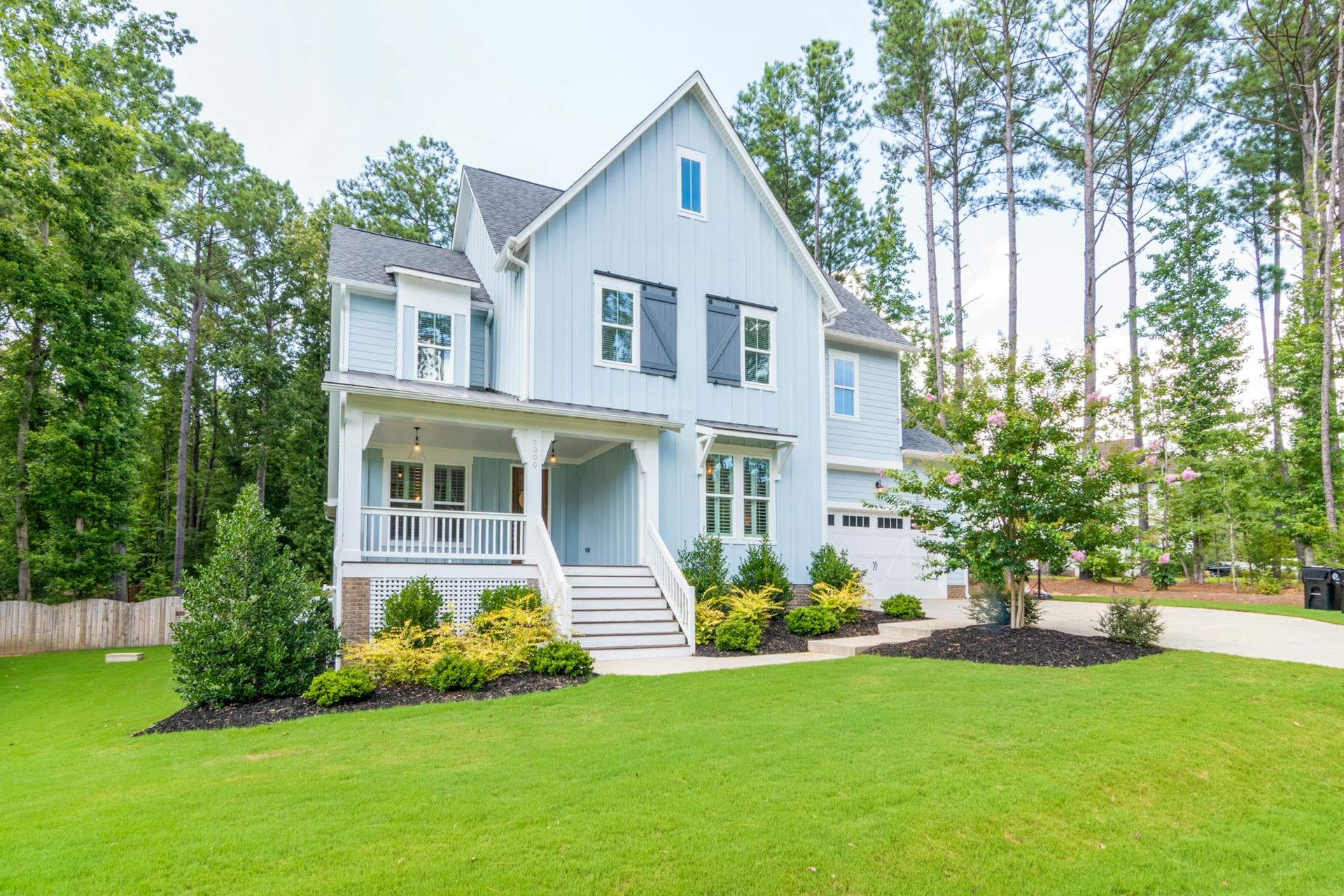
Crawl Space Radon in Alpharetta
Crawl space homes face higher radon risk from direct soil exposure. $1,800 to $3,500 for mitigation.
Sub-membrane depressurization seals and protects your crawl space, reducing both radon and moisture problems.
Why Crawl Space Homes Face Higher Radon Risk
Crawl spaces create a direct connection between the soil and your living space. Without a sealed barrier, radon gas moves freely from the ground through the crawl space and into your home.
Direct Soil Exposure
Unlike slab homes where concrete provides some barrier, crawl spaces often have exposed dirt floors. This gives radon a direct, unobstructed pathway into the home through the floor system above.
Moisture Compounds the Issue
North Fulton County's clay soils hold moisture, and crawl spaces are naturally damp. Moisture carries radon more effectively and creates conditions where radon concentrations can build up before migrating into living spaces.
Stack Effect Amplification
The stack effect in homes with crawl spaces is more pronounced. Warm air rising in the home creates negative pressure that pulls soil gas through the crawl space and up into living areas, especially during heating season.
Multiple Entry Points
Crawl spaces have more potential radon entry points: exposed soil, foundation wall joints, utility penetrations, and gaps between the foundation and floor joists. Without encapsulation, all of these contribute to indoor radon levels.
Sub-Membrane Depressurization: How It Works
Sub-membrane depressurization (SMD) is the standard method for crawl space radon mitigation. Here's the installation process:
Crawl Space Assessment
We inspect your crawl space for access points, soil conditions, foundation walls, existing vapor barriers, and overall layout. We measure the crawl space dimensions and plan the membrane installation and suction point placement.
Membrane Installation
A heavy-duty polyethylene membrane (minimum 6 mil, typically 12-20 mil for durability) is laid over the entire crawl space floor and sealed to the foundation walls. Seams are overlapped and taped. This creates an airtight barrier between the soil and your home.
Suction Point and Piping
One or more suction points are created beneath the membrane. A PVC pipe connects from below the membrane, routes through the crawl space, and runs to above the roofline. An inline radon fan creates constant negative pressure beneath the membrane.
Seal and Verify
All membrane edges, seams, and penetrations are sealed with specialized tape and caulk. The system creates a vacuum beneath the membrane that captures radon before it can enter your home. A post-installation test confirms levels are below 4.0 pCi/L.
Radon Mitigation + Crawl Space Protection
Crawl space radon mitigation provides benefits beyond radon reduction. The sealed membrane and active depressurization system addresses multiple crawl space concerns:
Radon Reduction
The primary purpose. Sub-membrane depressurization captures radon from the soil before it enters your home. Reduces radon levels by up to 99%.
Moisture Control
The sealed membrane prevents ground moisture from entering the crawl space. Combined with the fan creating negative pressure beneath the membrane, moisture-related problems are significantly reduced.
Pest Deterrent
A properly sealed membrane creates a physical barrier against insects and other pests that would otherwise enter through exposed soil.
Improved Air Quality
Crawl space air contributes to overall indoor air quality through the stack effect. Encapsulating the crawl space with a sealed membrane improves the air quality throughout your entire home.
Energy Efficiency
Reducing moisture and uncontrolled air infiltration from the crawl space helps your HVAC system work more efficiently. Some homeowners notice improved comfort on the first floor after installation.
Structural Protection
Excess moisture in crawl spaces leads to wood rot, mold growth, and structural deterioration over time. The membrane and depressurization system helps protect these structural components.
Crawl Space Homes in Alpharetta
While most newer Alpharetta homes are slab-on-grade, crawl space foundations are common in these areas:
Crabapple / Old Milton
The historic Crabapple area has many older homes and custom builds with crawl space foundations. These homes often have partial or deteriorated vapor barriers that provide little radon protection.
Downtown Alpharetta
Older homes in the original downtown area frequently have crawl spaces. Many were built before vapor barriers were standard practice, making them higher priority for radon mitigation.
Milton Border
Custom estate homes along the Alpharetta-Milton boundary often use crawl space foundations to accommodate sloped lots. Larger footprints may require multiple suction points.
Bethany Bend Area
Mix of older and renovated homes. Some have combination foundations with both slab and crawl space sections, which require multi-point mitigation systems.
Foundation Type Cost Comparison
Understanding why crawl space mitigation costs more than other foundation types:
| Foundation | Cost | Method | Why This Price |
|---|---|---|---|
| Crawl Space (this page) | $1,800 - $3,500 | Sub-Membrane Depressurization (SMD) | Membrane installation adds significant material and labor. Working in confined crawl spaces is more difficult and time-consuming. |
| Slab-on-Grade | $1,000 - $1,800 | Sub-Slab Depressurization (SSD) | No membrane needed. Core through slab and install pipe and fan. More straightforward installation. |
| Basement | $1,100 - $2,200 | Sub-Slab Depressurization (SSD) | Similar to slab but may need longer pipe runs. Finished basements add complexity for routing. |
| Combination | $2,500 - $4,500 | Multi-Point System | Both SSD and SMD techniques used. Multiple suction points for different foundation areas. |
Worth the investment: While crawl space mitigation costs more upfront, the combined radon reduction and moisture control benefits make it a strong investment. On a $500,000+ Alpharetta home, $2,500 for crawl space mitigation is 0.5% of the home's value while protecting both your health and the structural integrity of the crawl space. If dampness has already led to visible mold under your home, our sister company Erase Mold handles crawl space mold removal.
North Fulton Clay Soils and Radon
Alpharetta and the surrounding North Fulton area sit on Piedmont clay soils over granite bedrock. This combination is particularly relevant for crawl space homes:
Wet Seasons
During wet periods, clay soils hold moisture against the foundation. This moisture migrates into the crawl space, carrying radon with it. Clay soils can maintain saturated conditions for weeks after rain events, keeping crawl spaces damp.
Dry Seasons
During dry periods, clay soils shrink and crack. These cracks create new pathways for radon gas to escape from deeper soil layers, potentially increasing radon levels. The cycle of wetting and drying keeps crawl space radon levels variable throughout the year.
Crawl Space Radon FAQs
Why does crawl space radon mitigation cost more than slab?
Crawl space mitigation requires installing a heavy-duty polyethylene membrane over the entire crawl space floor and sealing it to the foundation walls before the depressurization system can work. This membrane installation adds significant material cost and labor time. Working in crawl spaces is also physically more demanding, with limited headroom and access. For Alpharetta homes, typical crawl space mitigation runs $1,800 to $3,500 compared to $1,000 to $1,800 for slab homes.
Can I use my existing vapor barrier for radon mitigation?
In most cases, no. Standard 6-mil vapor barriers found in many crawl spaces are not sealed to the walls and have gaps, overlaps, and tears that make them inadequate for radon mitigation. Sub-membrane depressurization requires a properly sealed membrane system with taped seams and sealed edges. We typically install new, heavier membrane (12-20 mil) or seal and repair existing barriers if they are in good condition.
How long does crawl space radon mitigation take?
A typical crawl space radon mitigation installation takes 6 to 10 hours, depending on the crawl space size and conditions. Larger crawl spaces, difficult access, multiple suction points, or the need to remove old materials can extend the timeline. The system begins working immediately after installation.
Does crawl space encapsulation replace radon mitigation?
No. Standard crawl space encapsulation (sealing the space with a vapor barrier) helps with moisture but is not sufficient for radon reduction. Radon mitigation requires active depressurization: a sealed membrane plus a fan creating negative pressure beneath the membrane to redirect radon to a vent pipe. Encapsulation without active depressurization may actually trap radon in higher concentrations beneath the membrane.
Will the mitigation system help with moisture in my crawl space?
Yes. The sealed membrane and active depressurization system addresses moisture as a secondary benefit. By sealing the soil and creating negative pressure beneath the membrane, ground moisture is significantly reduced. Many Alpharetta homeowners notice less musty air, lower humidity on the first floor, and reduced condensation in the crawl space after installation.
My crawl space has limited access. Can it still be mitigated?
Yes, though limited access may affect the installation timeline and cost. We work in crawl spaces as low as 18 inches, though tighter spaces require more time. If your crawl space has very restricted access, we discuss the approach during the free assessment. In some cases, an access opening may need to be enlarged.
How does North Fulton clay soil affect radon in crawl spaces?
North Fulton County's clay soils are significant for two reasons. First, clay holds moisture, creating damp crawl space conditions that can carry radon more effectively. Second, clay soils can crack during dry periods, creating additional pathways for radon gas. The combination of clay soil moisture and Alpharetta's Piedmont granite radon source makes crawl space mitigation particularly important in this area.
Can I combine crawl space radon mitigation with existing dehumidifier systems?
Yes. If you already have a crawl space dehumidifier, the radon mitigation system complements it. The sealed membrane reduces moisture load on the dehumidifier, and the depressurization system handles radon. Both systems can operate simultaneously. In some cases, the mitigation system reduces moisture enough that the dehumidifier runs less frequently.
Protect Your Crawl Space Home
Free crawl space assessment. We'll inspect your space, explain your options, and provide an exact quote for your Alpharetta home.
More Alpharetta Radon Information
Slab Foundation
Mitigation for slab-on-grade homes
Mitigation Systems
Compare all system types for Alpharetta
Mitigation Cost
Full pricing guide by foundation type
Radon Testing
Test your crawl space home
Radon Levels
Alpharetta averages 4.9 pCi/L
Real Estate Testing
Radon in home buying and selling
Radon Safety Resources
Expert insights and guides to keep you informed
Radon Levels Chart: What Every Reading Means, From 0.4 to 20+ pCi/L
A radon levels chart from 0.4 to 20+ pCi/L. What each reading means, the EPA lifetime lung cancer risk at every level for smokers and never-smokers, the WHO reference level, and exactly what to do next at your number.
Read more about Radon Levels Chart: What Every Reading Means, From 0.4 to 20+ pCi/L →
Radon in Holly Springs, Georgia: A Cherokee County Homeowner Guide
A local guide for Holly Springs and Cherokee County homeowners. Why north-Georgia granite geology produces elevated indoor radon in many homes, why every home should be tested regardless of zone, and how testing and mitigation work.
Read more about Radon in Holly Springs, Georgia: A Cherokee County Homeowner Guide →
Radon in Athens, Georgia: An Athens-Clarke County Homeowner Guide
A local guide for Athens and Athens-Clarke County homeowners, landlords, and renters. Why north-Georgia geology produces elevated indoor radon in many homes, why every home and rental should be tested regardless of zone, and how testing and mitigation work.
Read more about Radon in Athens, Georgia: An Athens-Clarke County Homeowner Guide →